About This Route
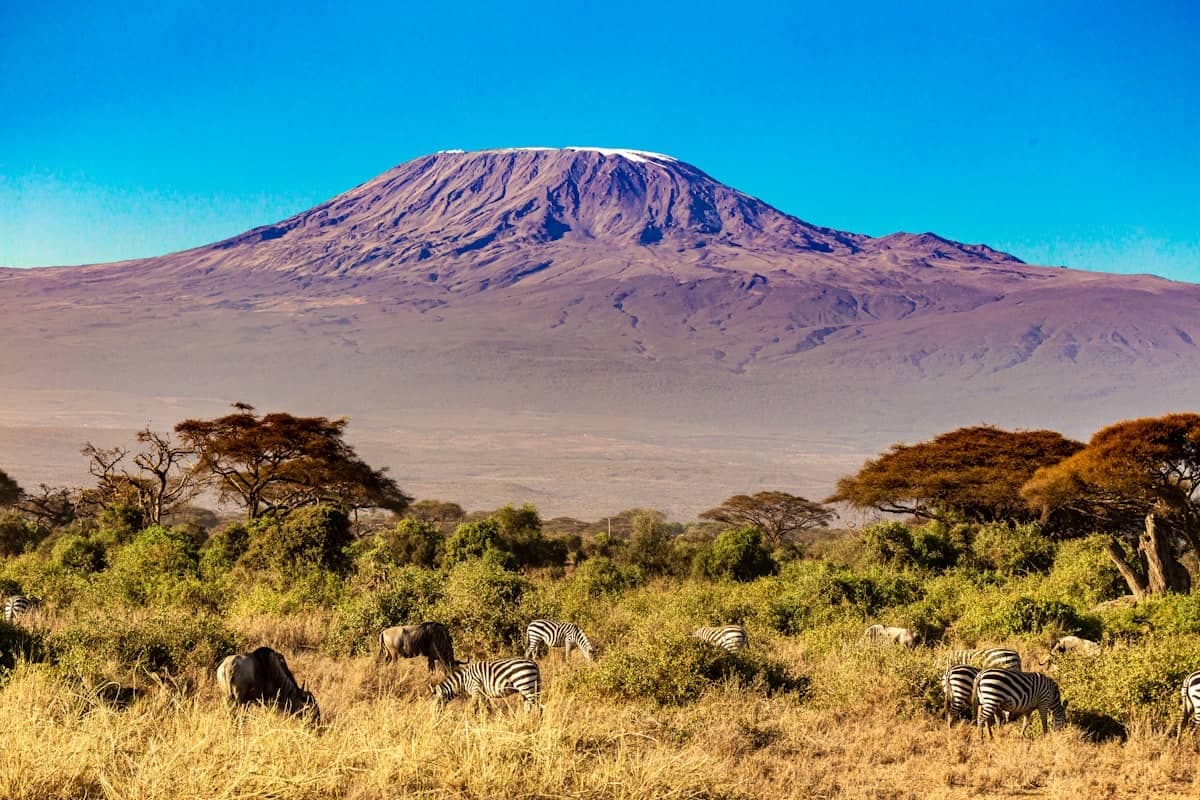
The Sirimon Route is the most popular and well-maintained trail on Mount Kenya, chosen by roughly 60% of all trekkers heading for Point Lenana. Starting from Sirimon Gate at 2,600m on the mountain's drier northwestern slopes, this route offers excellent acclimatization with gradual altitude gain through enchanting montane forest, open moorland, and finally the stark alpine desert near the summit. The trail passes through some of the best giant groundsel (Dendrosenecio) forests on the mountain, alongside towering giant lobelias that create an otherworldly landscape unique to the Afro-alpine zone above 3,500m. Sirimon is favoured by guided groups for its reliable weather and well-placed camps at Old Moses (3,300m) and Shipton's Camp (4,200m). The northwestern aspect means this side of the mountain receives less rainfall than the southeastern Chogoria approach, making trail conditions more predictable and mud-free throughout the year. Day 1 takes trekkers from Sirimon Gate through a belt of montane forest rich with birdlife, including the Hartlaub's turaco and mountain buzzard, before emerging onto rolling moorland at Old Moses Camp. The camp features wooden bandas with bunk beds, a welcome shelter after the first day's 700m altitude gain. Day 2 is the longest walking day, crossing the expansive Mackinder Valley with its carpets of everlasting flowers and scattered giant groundsels. As the trail ascends toward Shipton's Camp at 4,200m, the air thins noticeably and the vegetation gives way to rocky scree and alpine desert. Shipton's Camp sits in a dramatic cirque beneath the towering north face of Batian (5,199m) and Nelion (5,188m), providing one of the most spectacular camping locations on any African mountain. Day 3, if included, is a vital acclimatization day. Trekkers can explore Harris Tarn, scramble to the nearby Kami Hut viewpoint, or take a short hike toward the base of the main peaks. This rest day dramatically improves summit success rates and reduces the risk of altitude sickness. The summit push on Day 4 begins around 3am. Trekkers follow a well-cairned path across scree and boulders, ascending steadily in the pre-dawn darkness with headlamps illuminating the way. The final approach to Point Lenana at 4,985m involves a short scramble over rocks before the summit ridge opens up to reveal a 360-degree panorama at sunrise. On clear mornings, the views extend to Mount Kilimanjaro in the south, the Aberdare Range to the west, and the vast semi-arid plains of northern Kenya. The Sirimon Route is best suited for first-time high-altitude trekkers, families with older teenagers, and anyone who values a well-supported trail with good infrastructure. The best months to trek Sirimon are January, February, July, August, and September during the dry seasons, though the route remains accessible year-round due to its sheltered northwestern position. The moderate difficulty rating makes it the ideal introduction to Mount Kenya, though trekkers should not underestimate the altitude — proper fitness preparation and a gradual acclimatization schedule are essential for a safe and enjoyable summit.
All routes are within Mt Kenya National Park, a UNESCO World Heritage Site.
Day-by-Day Itinerary
Day 1: Sirimon Gate (2,600m) → Old Moses Camp (3,300m) — 3–4 hrs through bamboo & montane forest
Day 2: Old Moses → Shipton's Camp (4,200m) — 5–6 hrs across moorland & Mackinder Valley
Day 3: Acclimatization day — explore Shipton's Cave, Harris Tarn, or scramble to Kami Hut
Day 4: Summit night — Shipton's → Point Lenana (4,985m) → descent to Old Moses
Day 5: Old Moses → Sirimon Gate — exit
Route Highlights
- Gradual acclimatization profile
- Giant groundsel & lobelia forests
- Views of Batian and Nelion's north face
- Well-maintained campsites with shelter banda
- Drier weather conditions year-round
Trek the Sirimon Route
Ready to experience the Sirimon Route? Get a custom quote with transparent pricing — park fees, meals, guides, and gear included.