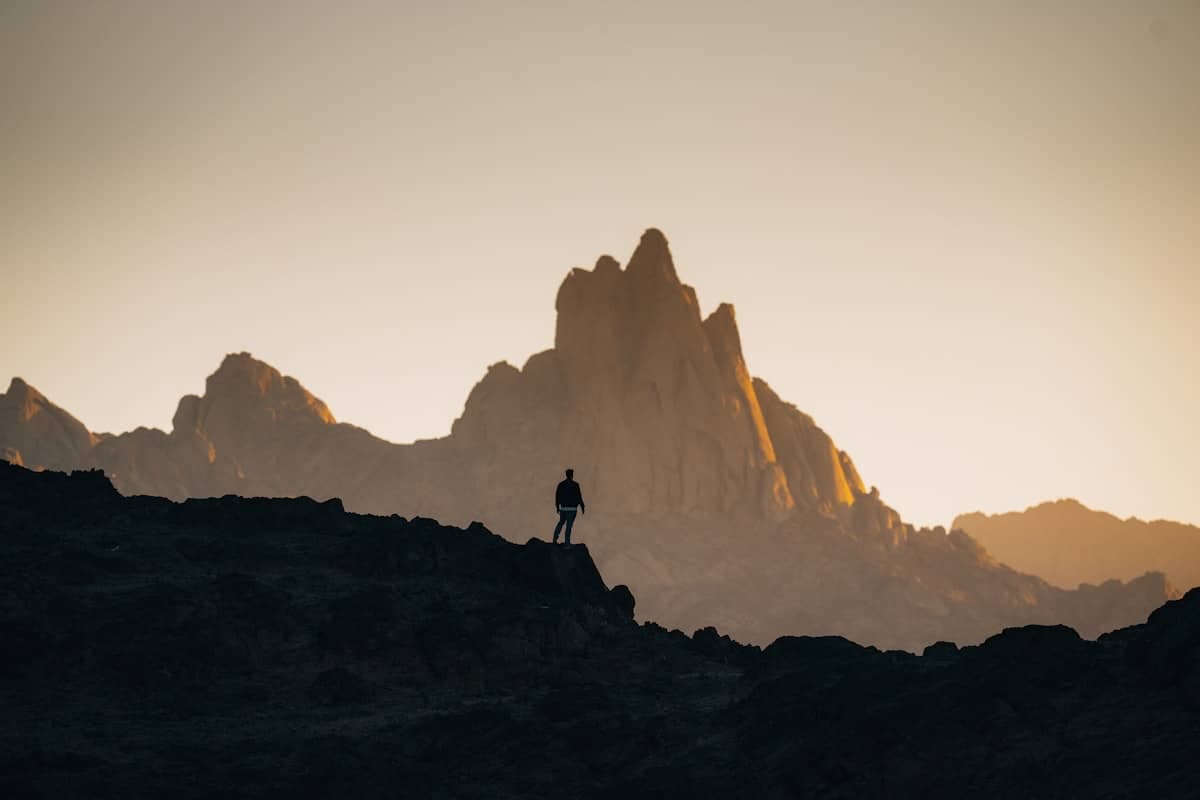
The Honest Answer
Mount Kenya is a serious high-altitude mountain, not a casual day hike. People have died on the mountain — mostly from altitude sickness, hypothermia, or falls. However, the trek to Point Lenana via established routes with a qualified guide is statistically very safe. The vast majority of incidents involve unguided climbers, technical peak attempts (Batian/Nelion), or trekkers who ignore altitude sickness symptoms. With proper preparation, a registered guide, and respect for the mountain, the risk is low.
The Real Dangers
Altitude sickness (AMS): The primary risk. Symptoms include headache, nausea, dizziness, and fatigue. Severe cases can develop into HAPE (fluid in lungs) or HACE (brain swelling), both life-threatening. Prevention: ascend slowly, stay hydrated, descend immediately if symptoms worsen. Hypothermia: Summit temperatures can drop to -10°C. Wet clothing and wind chill are the real killers. Proper layering eliminates this risk. Weather: Sudden storms, fog, and whiteout conditions can cause disorientation. This is why guides are mandatory — they know when to push on and when to turn back.
Wildlife Encounters
Mount Kenya's lower forests are home to elephants, buffalo, and leopards. These animals are rarely encountered above the forest line (3,200m+) where most trekking occurs. In the forest zone, stick to the trail, make noise, and stay with your guide. Buffalo are the most dangerous — they are unpredictable and occasionally charge. Your guide carries no weapons, but their knowledge of animal behaviour and route selection keeps encounters extremely rare. In decades of guiding, serious wildlife incidents on the main routes are almost unheard of.
How Guided Treks Keep You Safe
KWS-registered guides carry emergency radios, monitor for altitude sickness symptoms, know evacuation routes, and have relationships with the rescue team. All reputable operators include rescue insurance in their packages. The mountain has a KWS ranger presence at major camps. Helicopter evacuation to Nanyuki hospital is available for emergencies. Our guides are Wilderness First Aid certified and have a strict turnaround protocol — if a client shows signs of severe AMS, they descend immediately, no exceptions.
How Dangerous Is It Really?
For context: Kilimanjaro sees roughly 10 deaths per year among 35,000+ climbers (0.03%). Mount Kenya's rate is comparable among guided trekkers on the standard routes. The technical peaks (Batian and Nelion) carry significantly higher risk — similar to any Alpine Grade IV+ rock climb. For the trek to Point Lenana with a guide: if you are reasonably fit, acclimatize properly, and follow your guide's advice, you are very unlikely to experience anything worse than a headache and cold fingers.
Written by James Mwangi
Lead Mountain Guide & Founder
James Mwangi is a KWS-licensed mountain guide with over 15 years of experience leading treks on Mount Kenya. Born and raised in Nanyuki at the foot of the mountain, he has summited Point Lenana over 300 times and guided climbers from 40+ countries. He holds Wilderness First Aid (WFA) certification and is a certified Leave No Trace trainer.
Explore Our Routes
Sirimon Route
Beautiful – Open Moorlands & Alpine Meadows
View RouteChogoria Route
Spectacular – Gorges, Tarns & Volcanic Lakes
View RouteNaro Moru Route
Dramatic – Vertical Bog & Alpine Desert
View RouteHave More Questions?
Our team lives and breathes Mount Kenya. Ask us anything about routes, preparation, costs, or logistics.