The Banda System
Unlike Kilimanjaro (which is camping-only on most routes), Mount Kenya has a network of permanent mountain huts (bandas) at key camps. Old Moses Camp (3,300m) has a large dormitory-style banda with bunks and a communal cooking area. Shipton's Camp (4,200m) has wooden bandas with bunk beds. Mintos Hut (4,300m on the Chogoria side) is a more basic shelter. These huts provide welcome shelter from cold and wind.
Camping: Pros & Cons
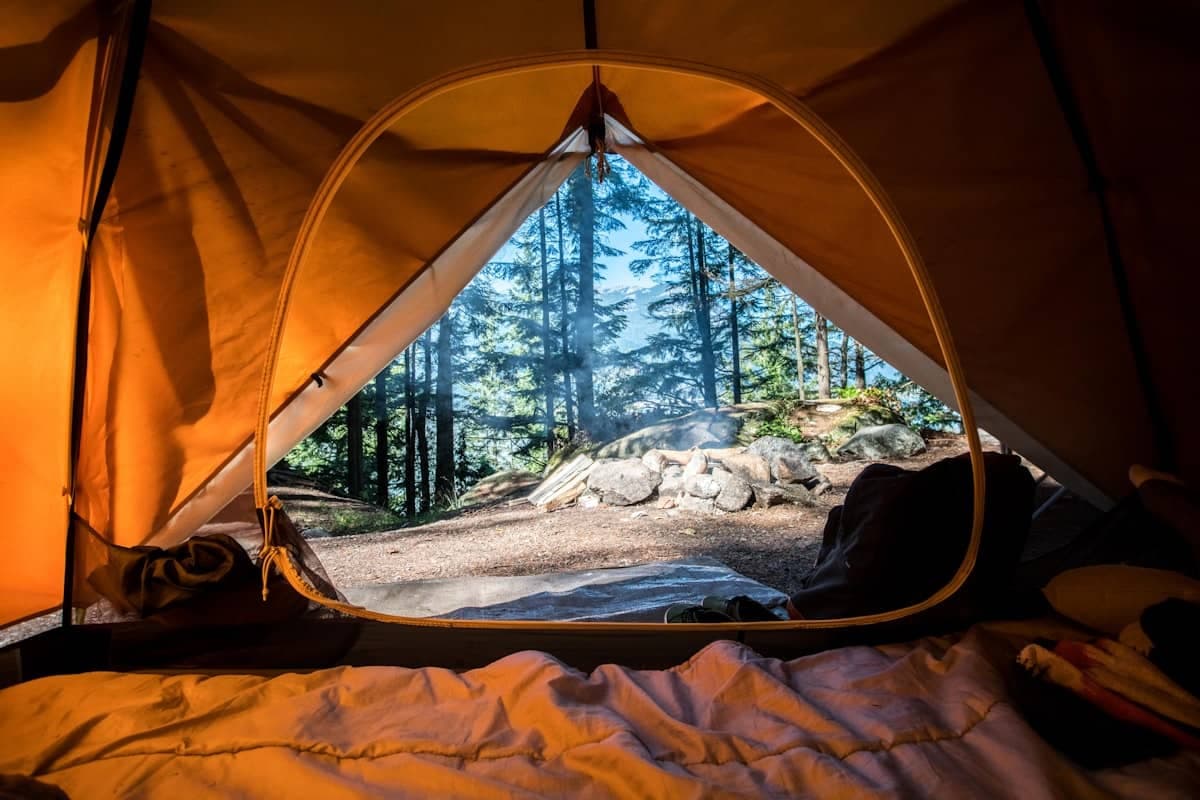
Pros: More flexible on camp locations, generally cheaper, more 'authentic' wilderness experience, and you get your own private space. Cons: Heavier packs (if porters aren't carrying your tent), colder at night, more setup/teardown time, and exposed to weather. Most trekking operators provide mess tents and sleeping tents as part of their packages.
Bandas: Pros & Cons
Pros: Warmer, no tent setup needed, social atmosphere with other climbers, solid protection from weather, and lockers/drying areas at some camps. Cons: Can be crowded during peak season (Jan–Feb, Aug–Sep), snoring neighbours, limited privacy, and availability is first-come-first-served. Banda fees are additional to park entry fees.
Our Recommendation
For most trekkers, we recommend a hybrid approach: use the banda at Old Moses Camp (your first night, when you're adjusting to the cold) and camp at higher camps. This gives you the best of both worlds. On fully guided treks through us, we carry all camping equipment — your porters handle the tents, cooking gear, and food.
Written by James Mwangi
Lead Mountain Guide & Founder
James Mwangi is a KWS-licensed mountain guide with over 15 years of experience leading treks on Mount Kenya. Born and raised in Nanyuki at the foot of the mountain, he has summited Point Lenana over 300 times and guided climbers from 40+ countries. He holds Wilderness First Aid (WFA) certification and is a certified Leave No Trace trainer.
Explore Our Routes
Sirimon Route
Beautiful – Open Moorlands & Alpine Meadows
View RouteChogoria Route
Spectacular – Gorges, Tarns & Volcanic Lakes
View RouteNaro Moru Route
Dramatic – Vertical Bog & Alpine Desert
View RouteHave More Questions?
Our team lives and breathes Mount Kenya. Ask us anything about routes, preparation, costs, or logistics.