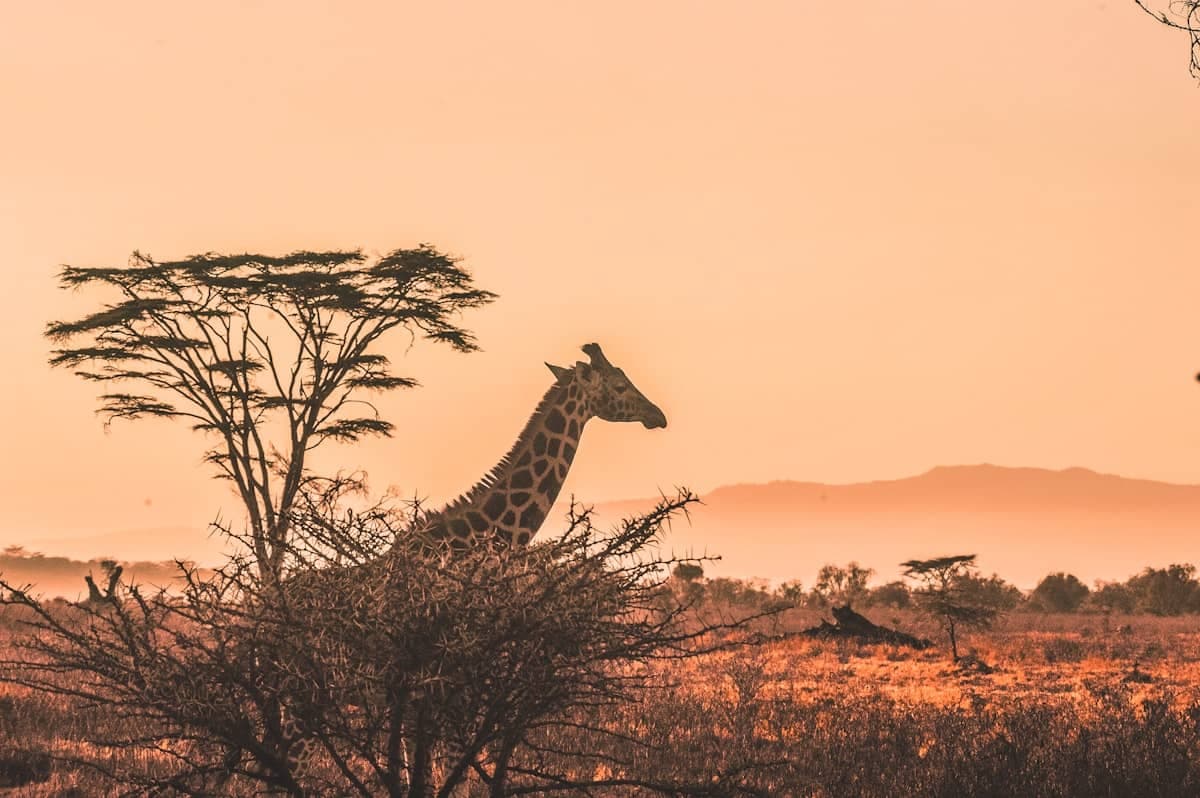
Why the 3am Start?
Almost every Mount Kenya summit attempt begins between 2am and 4am. The reason is simple: sunrise from Point Lenana is one of the most spectacular sights in East Africa, and weather conditions are most stable in the early morning. By mid-morning, clouds typically build up from the east, obscuring views and bringing rain or snow. Starting early gives you clear summit conditions and the best chance of seeing Kilimanjaro on the horizon — 320km away but visible on clear mornings.
What the Night Climb is Like
You'll be woken by your guide around 2–3am with hot tea. The initial hour is the hardest — leaving a warm sleeping bag into sub-zero darkness. You'll climb by headlamp, following your guide's light up a rocky trail. The altitude makes every step deliberate. Conversation drops away. The stars above 4,500m are extraordinary — no light pollution, zero humidity. As you gain the final ridge, the eastern horizon begins to glow. The last 30 minutes to the summit are fuelled entirely by anticipation.
The Sunrise
On a clear morning, the sunrise from Point Lenana is staggering. The sun rises over a sea of clouds, painting Batian and Nelion's rock faces in orange and gold. The Lewis Glacier catches the first light. On the best mornings, you can see the silhouette of Kilimanjaro floating above the cloud layer to the south. The summit is typically crowded only on peak-season weekends — during weekdays or shoulder months, you may have it entirely to yourself.
Photography Tips
Bring your camera in an internal pocket to keep the battery warm — cold kills batteries fast at altitude. A smartphone with a good low-light camera (iPhone 15+, Pixel) works well. For dedicated cameras: use a wide-angle lens (16–35mm), bring a small tripod or gorilla pod for stability, and shoot in RAW. Set your alarm to allow 10 minutes at the summit for photos. Key shots: the summit sign with sunrise, Batian and Nelion silhouette, the glacier, and the shadow of Mount Kenya cast on the clouds below. Wear thin glove liners so you can operate controls without freezing.
Written by James Mwangi
Lead Mountain Guide & Founder
James Mwangi is a KWS-licensed mountain guide with over 15 years of experience leading treks on Mount Kenya. Born and raised in Nanyuki at the foot of the mountain, he has summited Point Lenana over 300 times and guided climbers from 40+ countries. He holds Wilderness First Aid (WFA) certification and is a certified Leave No Trace trainer.
Explore Our Routes
Sirimon Route
Beautiful – Open Moorlands & Alpine Meadows
View RouteChogoria Route
Spectacular – Gorges, Tarns & Volcanic Lakes
View RouteNaro Moru Route
Dramatic – Vertical Bog & Alpine Desert
View RouteHave More Questions?
Our team lives and breathes Mount Kenya. Ask us anything about routes, preparation, costs, or logistics.